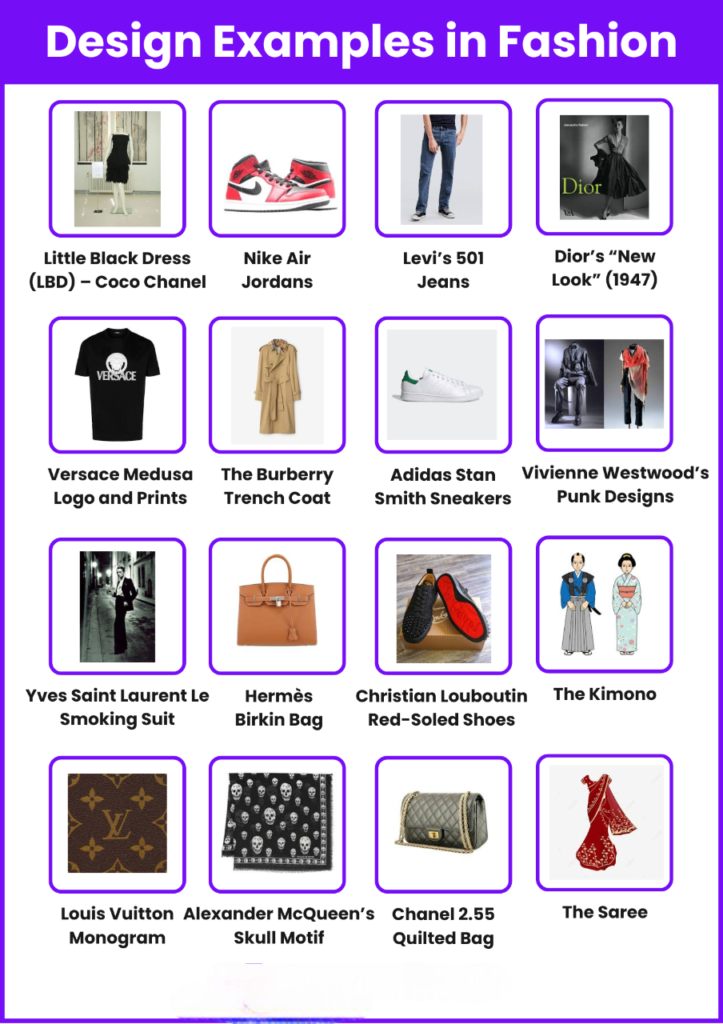
Design Examples in Fashion
1. Little Black Dress (LBD) – Coco Chanel
- Why It’s Iconic:
Introduced simplicity and elegance in women’s fashion, making the “little black dress” a timeless wardrobe essential. - Impact:
A staple of minimalism that redefined women’s formalwear.
2. Nike Air Jordans
- Why It’s Iconic:
A blend of functionality and style, Air Jordans revolutionized sneaker culture by merging sports performance with streetwear fashion. - Impact:
Pioneered the concept of sneakers as high-fashion items.
3. Levi’s 501 Jeans
- Why It’s Iconic:
The first-ever pair of blue jeans designed for durability and style. - Impact:
Became a symbol of casual, everyday wear and a global fashion icon.
4. Dior’s “New Look” (1947)
- Why It’s Iconic:
The collection emphasized a cinched waist, full skirts, and a return to femininity post-WWII. - Impact:
Redefined women’s fashion, creating a silhouette that remains influential.
5. Versace Medusa Logo and Prints
- Why It’s Iconic:
Known for bold, luxurious, and extravagant patterns, Gianni Versace’s designs captured opulence and confidence. - Impact:
Elevated the brand as a symbol of luxury and glamour.
6. The Burberry Trench Coat
- Why It’s Iconic:
Designed for utility during wartime, its checkered lining and practical silhouette have made it a fashion classic. - Impact:
Transitioned from military wear to a high-fashion staple.
7. Adidas Stan Smith Sneakers
- Why It’s Iconic:
Clean, minimal design that pairs with casual and semi-formal outfits. - Impact:
A cultural phenomenon in footwear, bridging the gap between sports and lifestyle.
8. Vivienne Westwood’s Punk Designs
- Why It’s Iconic:
Vivienne Westwood introduced edgy punk aesthetics into high fashion, featuring torn fabrics, safety pins, and bold prints. - Impact:
Revolutionized rebellious and avant-garde fashion.
9. Yves Saint Laurent Le Smoking Suit
- Why It’s Iconic:
A tailored tuxedo suit designed for women, symbolizing power and elegance. - Impact:
Challenged gender norms in fashion and redefined women’s formalwear.
10. Hermès Birkin Bag
- Why It’s Iconic:
A handcrafted luxury bag designed for functionality and exclusivity. - Impact:
Became a global symbol of luxury and status.
11. Christian Louboutin Red-Soled Shoes
- Why It’s Iconic:
The signature red soles and sleek designs are synonymous with luxury and glamour. - Impact:
Turned high heels into works of art and a status symbol.
12. The Kimono
- Why It’s Iconic:
Traditional Japanese garment with intricate patterns and vibrant designs, combining cultural heritage with fashion. - Impact:
Inspired global designers and remains a timeless piece of wearable art.
13. Louis Vuitton Monogram
- Why It’s Iconic:
The LV monogram design has become one of the most recognizable luxury patterns worldwide. - Impact:
Redefined branded luxury in handbags and luggage.
14. Alexander McQueen’s Skull Motif
- Why It’s Iconic:
McQueen used the skull as a recurring motif, combining gothic and modern aesthetics. - Impact:
Established a unique identity blending dark romanticism with couture.
15. Chanel 2.55 Quilted Bag
- Why It’s Iconic:
Designed with a quilted texture, gold chain strap, and timeless elegance. - Impact:
Became one of the most coveted accessories in fashion history.
16. The Saree
- Why It’s Iconic:
A traditional South Asian garment that allows infinite design possibilities through fabric, colors, and draping styles. - Impact:
A versatile piece that blends heritage with modern fashion.
17. Prada Nylon Backpack
- Why It’s Iconic:
Made from industrial nylon, this piece introduced practicality and minimalism to luxury fashion. - Impact:
Blurred the line between casual and high-end fashion.
18. Tommy Hilfiger Americana Style
- Why It’s Iconic:
Known for preppy designs that celebrate American culture with bold colors and logos. - Impact:
Popularized casualwear in global markets.
19. The Leather Jacket
- Why It’s Iconic:
A symbol of rebellion and style, made famous by brands like Schott (Perfecto jacket) and later by high fashion houses. - Impact:
An enduring staple of edgy and versatile fashion.
20. Supreme Box Logo
- Why It’s Iconic:
Minimalistic yet bold, the Supreme logo became a hallmark of streetwear and hype culture. - Impact:
Redefined exclusivity in fashion through limited drops and collaborations.
Design Examples in Drawing
1. Mandala Art
- Why It’s Great:
Intricate, symmetrical designs often used for relaxation and mindfulness. Mandalas incorporate geometric shapes and patterns. - Inspiration:
Explore cultural influences from Tibetan, Hindu, and Buddhist art.
2. Architectural Sketches
- Why It’s Great:
Combines technical precision with artistic expression. Designers use shading, perspective, and fine lines to visualize buildings and spaces. - Inspiration:
Famous examples include sketches by Zaha Hadid or Frank Gehry.
3. Fashion Illustrations
- Why It’s Great:
Combines dynamic figures, vibrant colors, and flowing lines to showcase garments and accessories. - Inspiration:
Designers like Antonio Lopez and Hayden Williams have created iconic fashion sketches.
4. Botanical Drawings
- Why It’s Great:
Highly detailed and realistic depictions of plants and flowers. These designs often blend art with scientific accuracy. - Inspiration:
Famous works include Ernst Haeckel’s botanical illustrations.
5. Geometric Art
- Why It’s Great:
Uses shapes, symmetry, and repeating patterns to create mesmerizing designs. - Inspiration:
Islamic art and modern designers like M.C. Escher.
6. Cartoon and Character Design
- Why It’s Great:
Creates relatable and memorable characters with exaggerated features and unique expressions. - Inspiration:
Disney’s Mickey Mouse and Pixar’s animated characters like Wall-E.
7. Abstract Drawings
- Why It’s Great:
Focuses on emotional expression through forms, colors, and textures rather than realism. - Inspiration:
Look at abstract works by Kandinsky and Joan Miró.
8. Technical Drawings
- Why It’s Great:
Precise line work used to represent machines, products, or systems in industrial and product design. - Inspiration:
Leonardo da Vinci’s sketches of inventions and machinery.
9. Surrealism
- Why It’s Great:
Blends dream-like imagery with reality, often using unexpected juxtapositions. - Inspiration:
Salvador Dalí’s surrealist sketches and drawings.
10. Tattoo Design
- Why It’s Great:
Highly detailed and meaningful designs that range from tribal patterns to hyperrealistic portraits. - Inspiration:
Polynesian tribal tattoos or Japanese Irezumi designs.
11. Portrait Drawings
- Why It’s Great:
Focuses on capturing the emotions and features of a person through realistic shading and detail. - Inspiration:
Pencil portraits by artists like Chuck Close or graphite sketches from Instagram artists.
12. Doodle Art
- Why It’s Great:
Playful and spontaneous designs often created with black ink or vibrant colors. Doodles are great for creativity and expression. - Inspiration:
Artists like Kerby Rosanes, who combine doodles with surreal elements.
13. Fantasy Concept Art
- Why It’s Great:
Designs worlds, creatures, and characters that are imaginative and otherworldly. - Inspiration:
Concept sketches for films like The Lord of the Rings or Harry Potter.
14. Optical Illusions
- Why It’s Great:
Combines perspective and geometry to create designs that trick the viewer’s eyes. - Inspiration:
M.C. Escher’s drawings like Relativity.
15. Animal Drawings
- Why It’s Great:
Realistic or stylized drawings of animals, focusing on movement, texture, and anatomy. - Inspiration:
Wildlife sketches by John James Audubon.
16. Zentangle Art
- Why It’s Great:
A structured, repetitive drawing technique that combines patterns and lines to form intricate, meditative designs. - Inspiration:
Use shapes and black-and-white contrasts to explore texture and pattern.
17. Comic Strip Drawings
- Why It’s Great:
Sequential art that tells a story through illustrations and dialogue bubbles. - Inspiration:
Classic comics like Peanuts by Charles Schulz or Calvin and Hobbes by Bill Watterson.
18. Hyperrealism
- Why It’s Great:
Focuses on creating drawings that are indistinguishable from photographs using precise shading and detailing. - Inspiration:
Hyperrealist artists like Kelvin Okafor.
19. Mixed Media Drawings
- Why It’s Great:
Combines pencils, markers, ink, and even digital tools to create layered and textured art. - Inspiration:
Experiment with blending traditional and digital techniques.
20. Minimalist Art
- Why It’s Great:
Uses a simple approach with clean lines and minimal elements to convey powerful ideas. - Inspiration:
Works by minimalist designers and illustrators like Malika Favre.
Design Examples in Business
1. Logo Design
- Example: McDonald’s Golden Arches
A globally recognized logo that symbolizes consistency and fast service. Its simplicity ensures instant recognition. - Why It Works: The design is clean, memorable, and scalable across various platforms.
2. Brand Identity
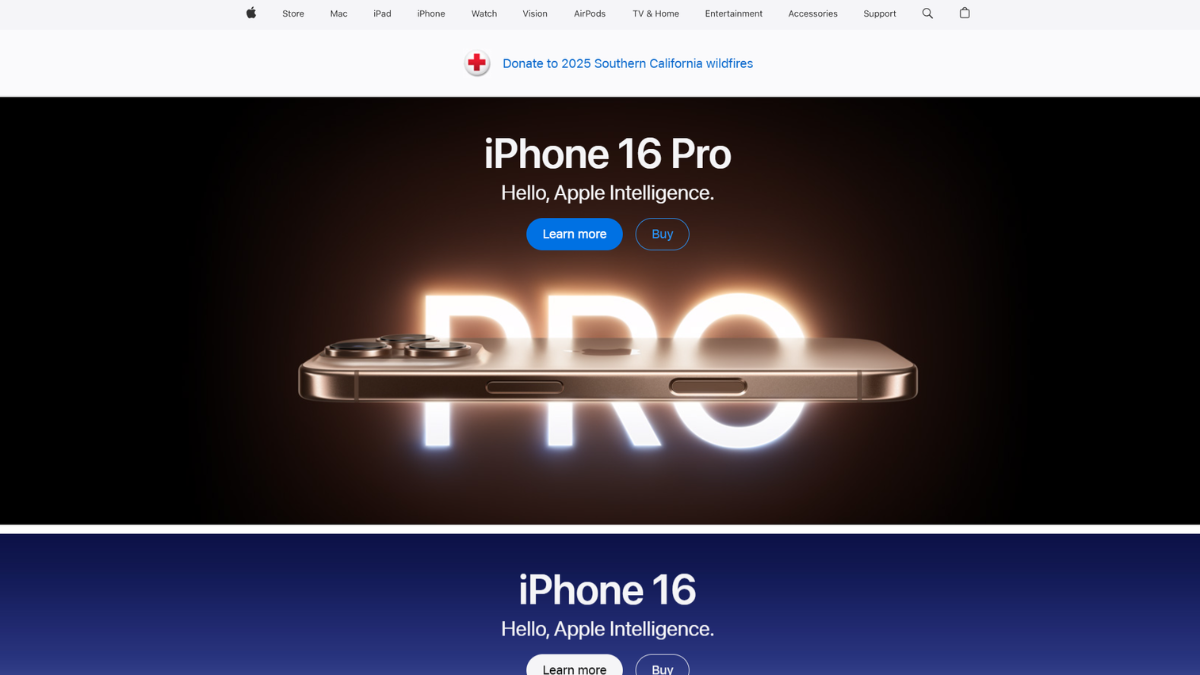
- Example: Apple
Apple’s minimalist branding, from packaging to advertisements, reflects innovation and sophistication. - Why It Works: Consistent typography, colors, and simplicity align with their product philosophy.
3. Office Space Design
- Example: Google Headquarters
Google’s offices are designed with open spaces, vibrant colors, and collaborative areas to enhance creativity and productivity. - Why It Works: The design fosters innovation while ensuring employee well-being.
4. Product Design
- Example: Tesla Model S
A sleek, aerodynamic electric car with a focus on sustainability, luxury, and functionality. - Why It Works: Combines aesthetics with cutting-edge technology, aligning with the brand’s vision.
5. Packaging Design
- Example: Coca-Cola Bottles
The contoured glass bottle is instantly recognizable and reflects the brand’s heritage and quality. - Why It Works: Unique packaging reinforces brand identity and stands out on shelves.
6. Website Design
- Example: Airbnb
Clean, intuitive, and user-friendly interface that highlights properties with stunning visuals and straightforward navigation. - Why It Works: Enhances customer experience and simplifies complex booking processes.
7. Retail Store Design
- Example: IKEA
IKEA’s store layout guides customers through curated rooms, showcasing their products in real-life settings. - Why It Works: Encourages discovery and creates a seamless shopping experience.
8. Marketing Campaign Design
- Example: Nike’s “Just Do It” Campaign
Bold typography, emotional storytelling, and high-energy visuals inspire and resonate globally. - Why It Works: The campaign combines simple design with powerful messaging to create impact.
9. Infographic Design
- Example: HubSpot’s Marketing Blog Infographics
HubSpot uses visually engaging infographics to present complex marketing data and tips in an easy-to-digest format. - Why It Works: Simplifies information while keeping it engaging.
10. Mobile App Design
- Example: Starbucks App
Combines functionality with aesthetics, allowing users to order, pay, and track rewards seamlessly. - Why It Works: Simplifies transactions and enhances customer loyalty.
11. Business Card Design
- Example: Moo Business Cards
High-quality, customizable designs that reflect a brand’s personality and professionalism. - Why It Works: Leaves a strong first impression and communicates brand identity effectively.
12. Advertising Design
- Example: Old Spice “The Man Your Man Could Smell Like”
A humorous, visually engaging ad campaign with bold graphics and clever storytelling. - Why It Works: Combines entertainment with brand messaging, making it memorable.
13. Presentation Design
- Example: TED Talks Slides
TED Talks presentations use minimalist slides with impactful visuals to enhance storytelling. - Why It Works: Keeps the audience engaged while emphasizing the speaker’s message.
14. Workspace Design
- Example: WeWork
Open-plan, collaborative coworking spaces with modern furniture and inspiring interiors. - Why It Works: Attracts professionals by balancing comfort with functionality.
15. Financial Report Design
- Example: Annual Reports by Spotify
Spotify’s reports are visually stunning, using bold typography and interactive data visualizations. - Why It Works: Turns traditionally boring financial data into an engaging and shareable experience.
16. Subscription Box Design
- Example: Birchbox
Beautifully designed packaging with personalized touches for cosmetics and lifestyle products. - Why It Works: Creates an unboxing experience that delights customers and reinforces the brand.
17. Social Media Post Design
- Example: Canva’s Instagram
Canva uses colorful, on-brand posts to educate and inspire users with design tips and trends. - Why It Works: Aligns content with the platform’s core purpose while engaging users.
18. Interior Design for Retail
- Example: Apple Store
Open layouts, minimalist displays, and interactive spaces allow customers to experience products hands-on. - Why It Works: Reflects the brand’s innovation and simplicity.
19. Uniform and Apparel Design
- Example: UPS Uniforms
The iconic brown uniform represents reliability and professionalism. - Why It Works: Reinforces brand consistency and trust.
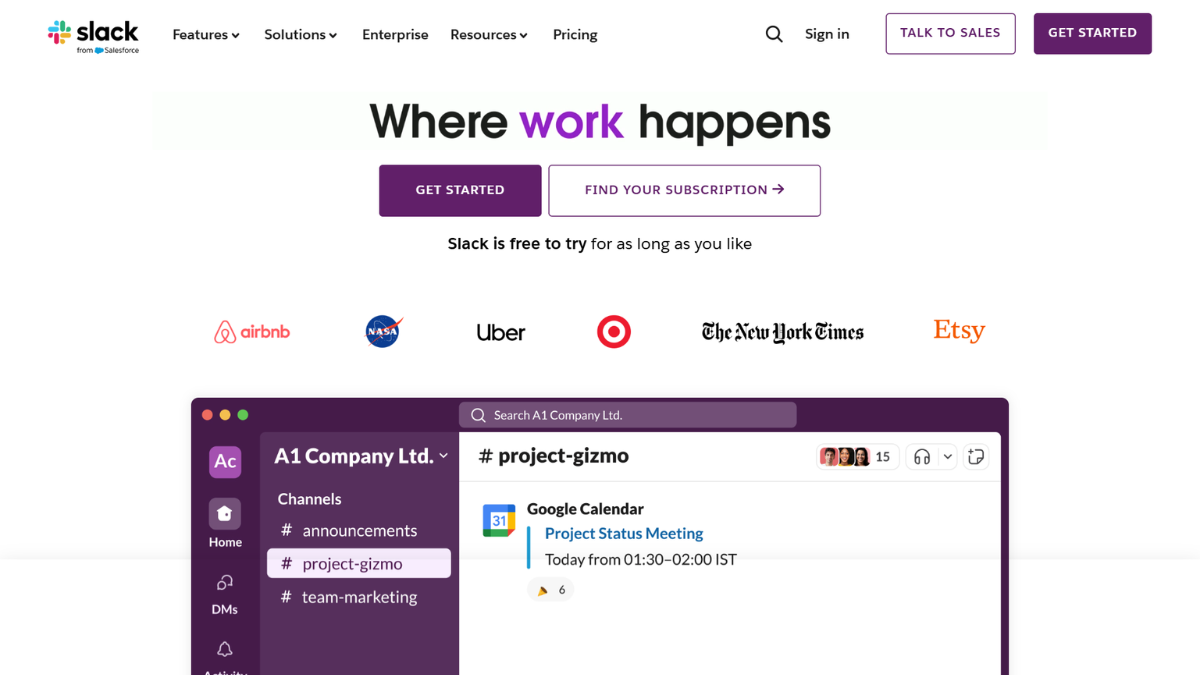
20. Digital Dashboard Design
- Example: Slack
A sleek and organized interface for managing communication and collaboration within teams. - Why It Works: Intuitive UX ensures teams can use it effortlessly.
21. Event Design
- Example: Coachella Branding and Layout
Vibrant branding and festival layouts create immersive experiences for attendees. - Why It Works: Enhances attendee engagement while reinforcing the event’s identity.
22. Innovation in Product Packaging
- Example: Method Soap Bottles
Sleek, biodegradable packaging that doubles as a design piece in the home. - Why It Works: Combines sustainability with aesthetics.
23. Online Course Design
- Example: Coursera
Visually appealing course pages with easy navigation and interactive elements. - Why It Works: Simplifies the learning process and encourages user retention.
24. Customer Feedback Forms
- Example: Uber’s Rating System
A simple star rating interface that lets customers and drivers provide instant feedback. - Why It Works: Encourages quick engagement while maintaining transparency.
25. Restaurant Menu Design
- Example: Chipotle
A clean, minimalist menu that prioritizes readability and guides customer choices efficiently. - Why It Works: Reduces decision fatigue while aligning with the brand’s fresh and simple ethos.
Types of Design
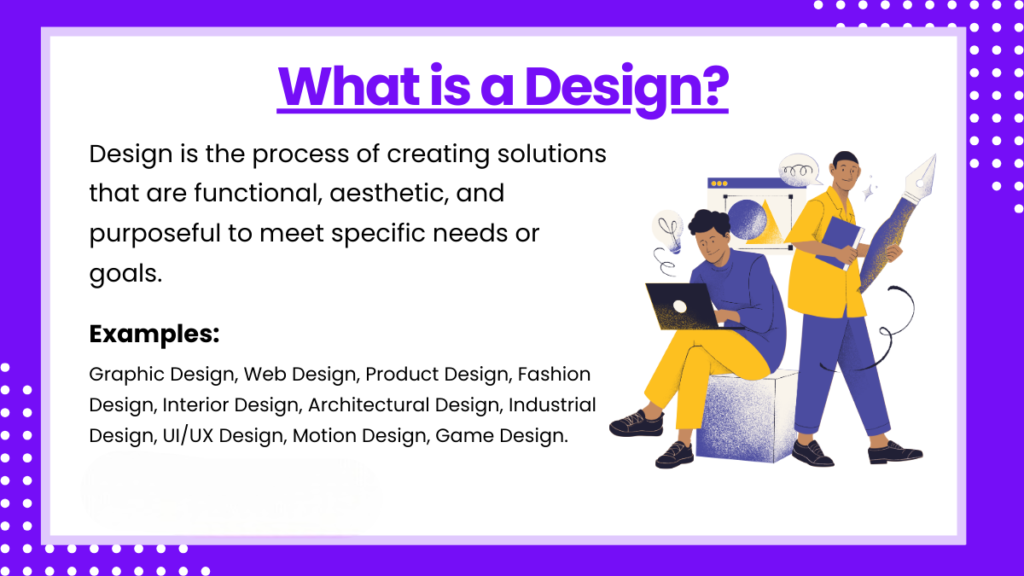
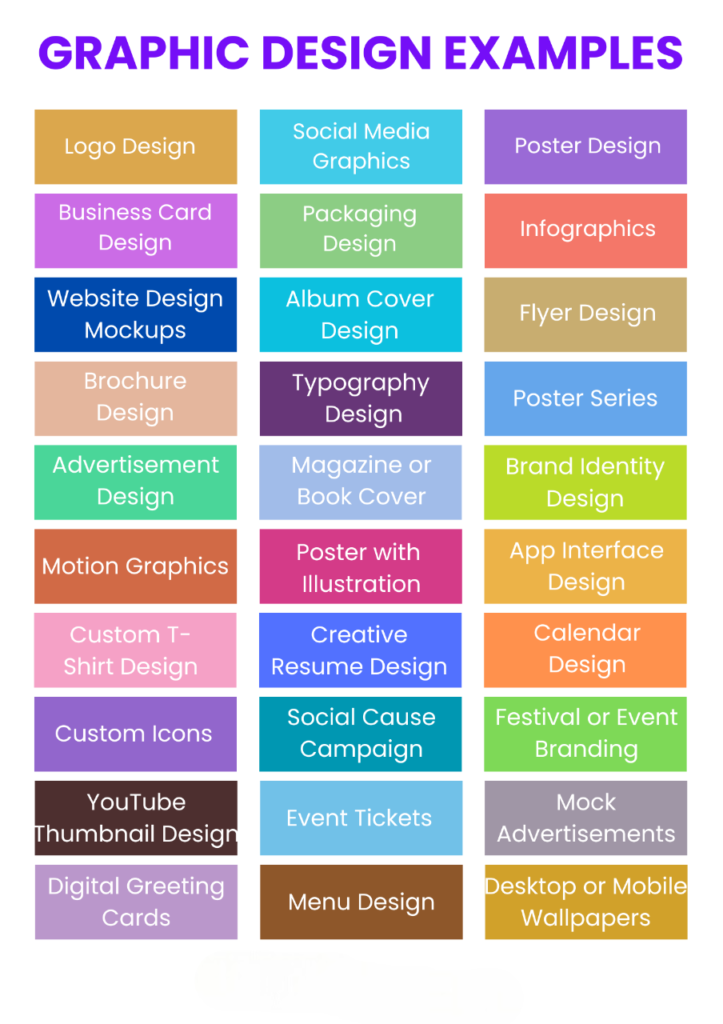
- Graphic Design: Creating visual content to communicate messages effectively.
Examples: Logos, brochures, posters, social media graphics, business cards. - Web Design: Designing websites to ensure usability, accessibility, and aesthetics.
Examples: Landing pages, e-commerce sites, personal blogs, portfolio sites, corporate websites. - Product Design: Developing functional and aesthetically pleasing physical products.
Examples: Smartphones, furniture, appliances, packaging, wearable devices. - Fashion Design: Crafting clothing and accessories that are stylish and functional.
Examples: Dresses, shoes, handbags, sportswear, jewelry. - Interior Design: Enhancing interior spaces for functionality and beauty.
Examples: Living rooms, offices, restaurants, hotel lobbies, bedrooms. - Industrial Design: Designing machines, tools, and industrial products with functionality and aesthetics.
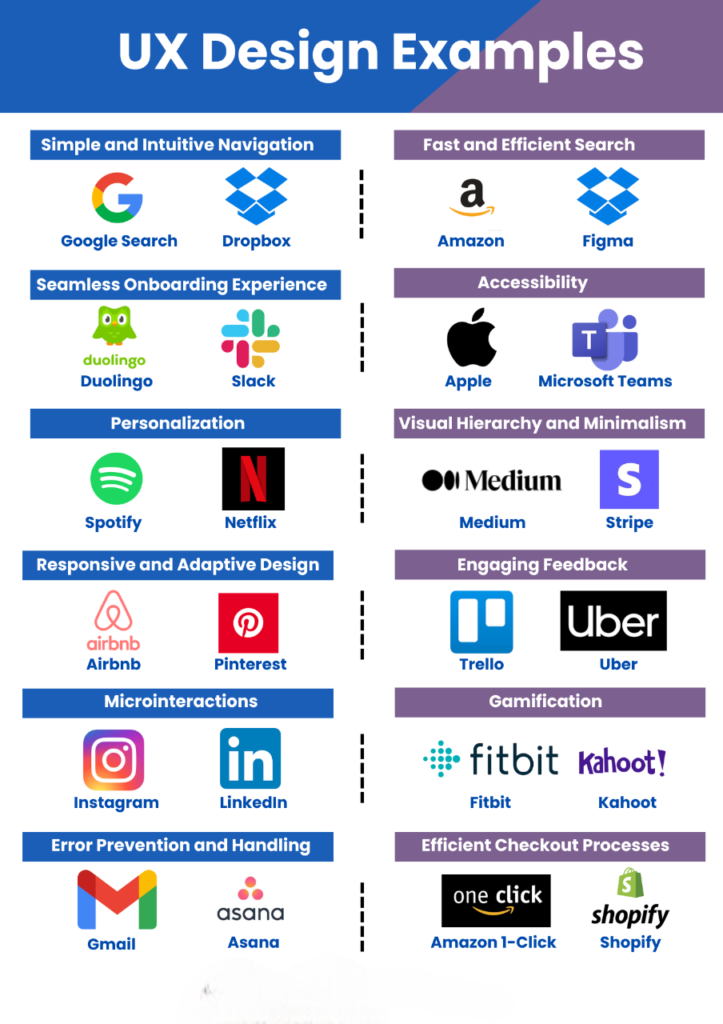
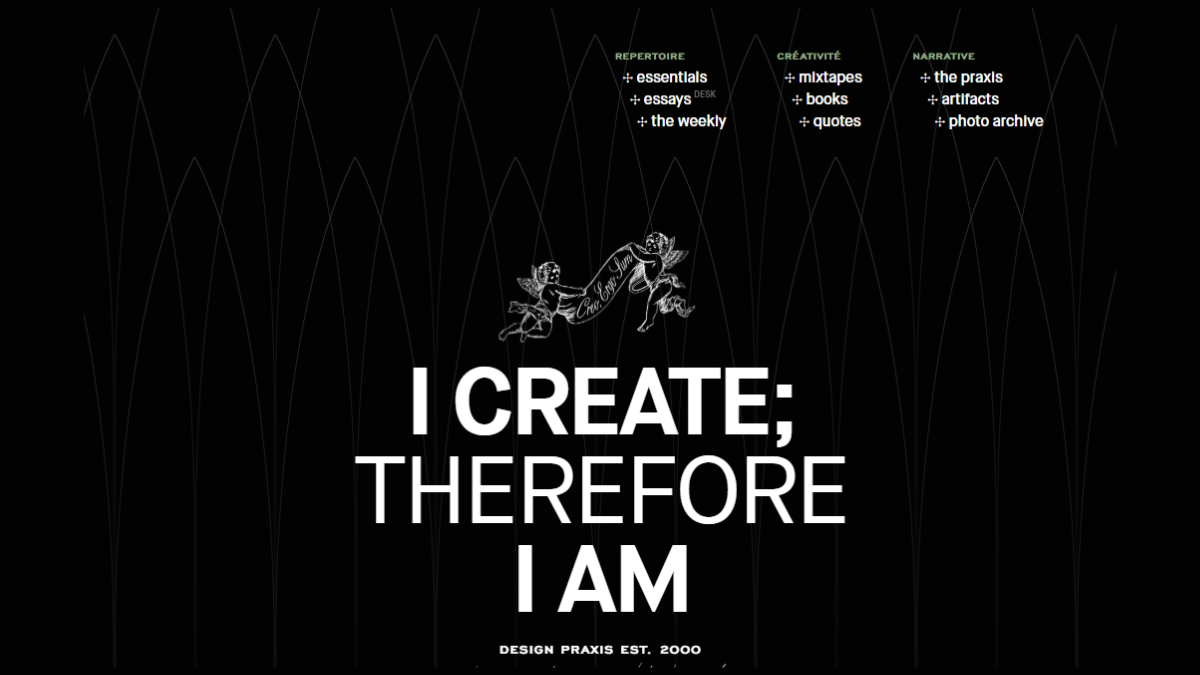
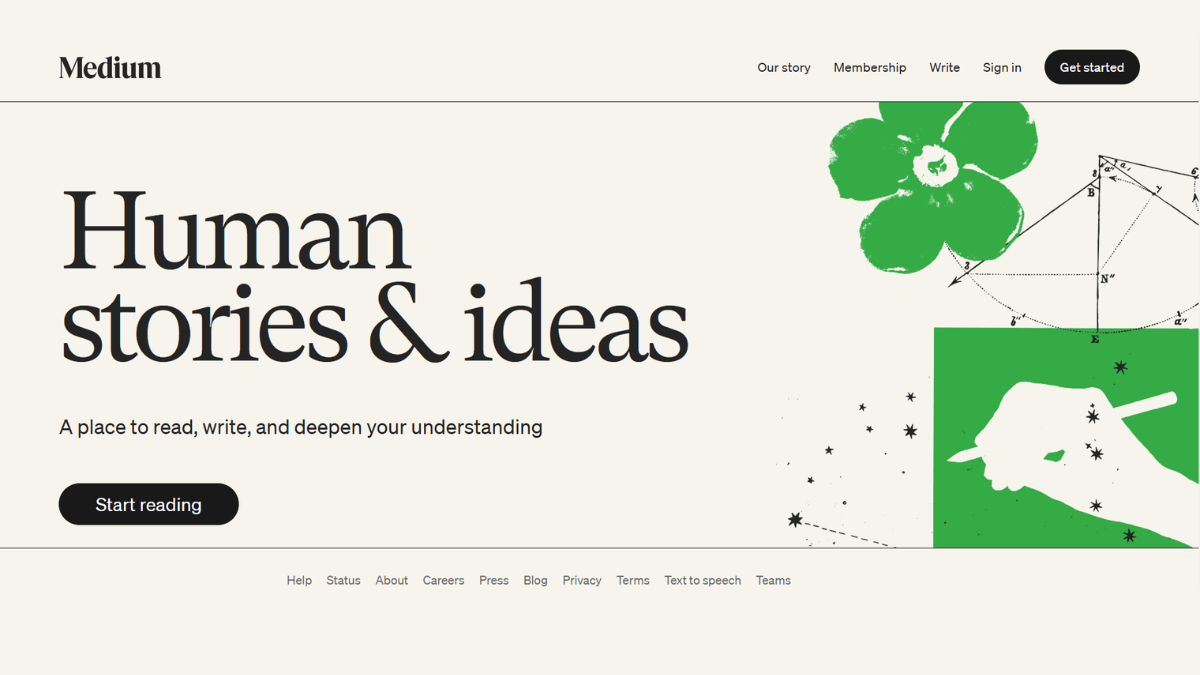
Examples: Cars, home appliances, bicycles, power tools, medical devices. - UI/UX Design: Creating user-friendly interfaces and improving user experiences.
Examples: Mobile apps, websites, dashboards, game interfaces, AR/VR platforms. - Motion Design: Adding movement and animation to visuals for storytelling.
Examples: Animated logos, explainer videos, transitions, movie intros, GIFs. - Architectural Design: Designing buildings and structures with functionality and aesthetics.
Examples: Homes, skyscrapers, schools, shopping malls, stadiums. - Game Design: Creating engaging gaming experiences through storylines, characters, and mechanics.
Examples: RPGs, puzzle games, adventure games, simulation games, mobile games. - Packaging Design: Creating attractive and functional packaging for products.
Examples: Food wrappers, perfume boxes, beverage cans, shipping boxes, cosmetic jars. - Digital Design: Designing for digital platforms and devices.
Examples: App interfaces, digital banners, social media posts, website sliders, email templates. - Typography Design: Crafting and arranging text to make it visually appealing.
Examples: Custom fonts, word art, book titles, magazine headings, signage. - Environmental Design: Designing spaces to enhance the natural or built environment.
Examples: Parks, urban landscapes, exhibition setups, museum layouts, outdoor advertisements. - Instructional Design: Developing learning materials and experiences for education.
Examples: E-learning modules, training manuals, educational videos, online courses, infographics. - Brand Identity Design: Creating visual elements that represent a brand.
Examples: Logos, brand guidelines, stationery, product labels, website branding. - Exhibit Design: Planning and creating engaging exhibits for events or museums.
Examples: Trade show booths, museum exhibits, art galleries, product showcases, science fairs. - Furniture Design: Crafting functional and aesthetic furniture pieces.
Examples: Chairs, tables, beds, storage units, modular furniture. - Interactive Design: Focusing on user interaction with digital and physical systems.
Examples: Touchscreens, kiosks, AR/VR experiences, game interfaces, smart home controls. - Concept Art Design: Visualizing ideas for movies, games, or creative projects.
Examples: Character design, environment sketches, storyboards, props, fantasy creatures.
Design Thinking Process
- Empathize: Understand the user’s needs, challenges, and emotions through research and observation.
- Define: Clearly articulate the problem or challenge based on insights gathered during the empathize stage.
- Ideate: Brainstorm creative solutions and generate a wide range of ideas without judgment.
- Prototype: Create simple, low-cost models or mockups of your ideas to explore potential solutions.
- Test: Share prototypes with users, gather feedback, and refine the solution based on their input.
- Iterate: Repeat the process as needed to improve the design and address user needs effectively.